Can Drizoro MAXSEAL Help Reduce Termite Entry Through Masonry?
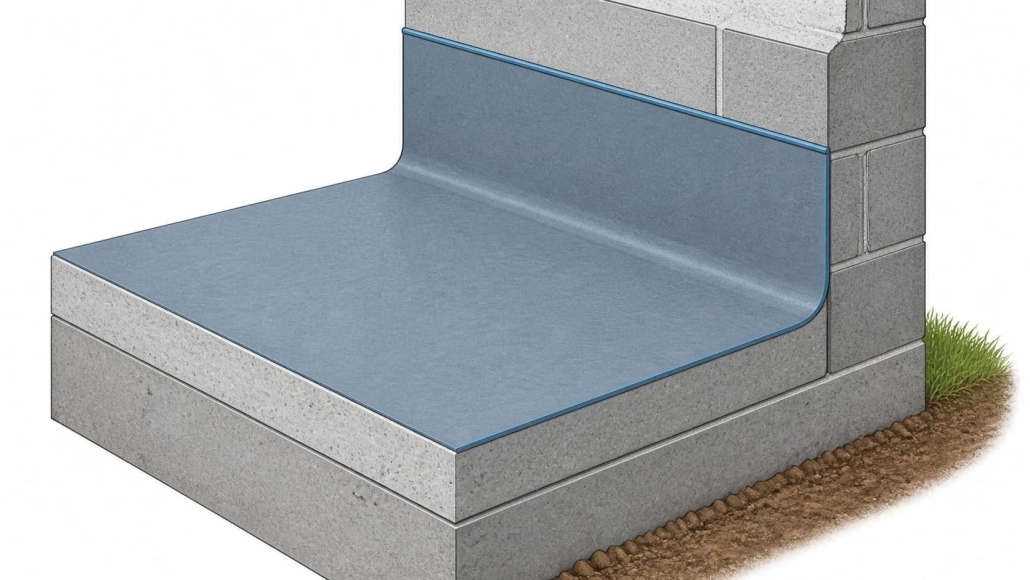
The obvious Question is Can Drizoro MAXSEAL Help Reduce Termite Entry Through Masonry? The Answer is below
When correctly applied to a sound, properly prepared surface, Drizoro Maxiseal forms a waterproof cementitious coating. Where the coating remains continuous and intact, termites cannot travel through the coated material; potential access is at defects or at routes that bypass the coated area, such as joints, penetrations, openings around windows, or untreated parts of the building. MAXSEAL is a waterproofing coating, not a termite-approved system, and it should not be represented as providing whole-building termite protection.
Correctly specified and applied Drizoro Maxseal cementitious coatings are intended to form a continuous waterproof layer. If it remains intact and properly bonded, water should not pass through that coated area. Practically no product can ensure the substrate, detailing and application will remain defect-free indefinitely;
- movement,
- poor preparation or
- unsealed junctions can create failures.
A certified termite system also depends on correct installation and maintenance—it is not a guarantee against every possible termite entry route. Pest control carry out external termite management 2 times a year and internal at least once a year.
Maintenance of Cementitious Coatings
Yes the Maintenance of Cementitious Coatings is important. Building movements faults within the structure may allow defects to form. Rectification of these defects is critical in the ongoing defence against water and termites.
Other routes of Termite Attack
And yes: termites can enter by routes that bypass treated masonry. Reproductive termites can swarm and fly, then establish colonies; termites may also gain access around windows, rooflines, service penetrations or other untreated junctions. So a masonry coating can address a particular pathway without being a complete building-wide termite barrier.
Can Drizoro MAXSEAL Help Reduce Termite Entry Through Masonry?
Termites do not need to eat through sound brick or concrete to reach a building’s timber. Subterranean termites can exploit cracks, joints, service penetrations and other gaps in masonry, sometimes travelling unseen behind brickwork or through hollow blockwork. Sealing these routes is sensible building maintenance—but a waterproofing coating should not be presented as a certified termite barrier unless it has been tested and approved for that purpose.
Drizoro MAXSEAL cementitious coatings are designed to waterproof suitable masonry and concrete surfaces. Applied as specified to a sound, properly prepared substrate, a continuous coating can help seal surface pores and some small, non-moving cracks, reducing water ingress and closing potential routes at the coated face. MAXSEAL SUPER product information describes use on concrete blocks, bricks and masonry, and states that it seals cracks up to 0.4 mm. That is a waterproofing performance claim—not evidence that the product prevents termite penetration.
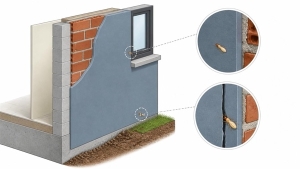

The key limitation: complete coverage matters
A coating can only help where it forms a continuous, well-bonded layer. Missed areas, pinholes, unsealed edges, cracks that reopen with movement, construction joints and pipe or cable penetrations can leave routes around or through the treated surface. Termite-resistant construction guidance likewise stresses that seams, terminations and penetrations need careful sealing, and notes that termites can enter masonry through small cracks and move unseen through ungrouted block cores. cmha.org
Waterproofing also does not make masonry “impossible” for termites to penetrate. It may reduce water passage through the treated surface under the product’s specified conditions, but it does not guarantee a permanently defect-free wall or stop termites finding an untreated route elsewhere. Termite protection depends on the whole building detail—not just one coated face.
The advantage of Drizoro cementitious membranes and mortars:
Prevent moisture penetration as well, and
can be easily extended continuously around any masonry structure.
A sensible way to use Drizoro Maxseal Help Reduce Termite Entry Through Masonry?
Use MAXSEAL as a masonry waterproofing and crack-sealing measure that will help reduce certain potential entry paths, not as a stand-alone termite treatment or approved termite-management system.
Before application, repair holes and defective mortar, assess cracks and movement joints, and address penetrations and blockwork voids appropriately. Follow the current product instructions for substrate preparation, application, reinforcement and curing. Have a qualified termite professional assess the building and specify any required termite-management measures; guidance for termite-resistant construction recommends combining building details with appropriate professional pretreatment rather than relying on construction measures alone.
Important Disclosure:
Drizoro Maxiseal cementitious membranes are not being described here as termite-approved, termiticidal or a guaranteed termite barrier. Confirm any product-specific claims, suitability and local compliance with the manufacturer and a licensed termite professional.
A Drizoro cementitious waterproofing coating may be a useful part of good construction practice, but it should not replace a recognised termite-management system
Watch the video above to see how Drizoro MAXSEAL Help Reduce Termite Entry Through Masonry?
Drizoro Maxseal Cementitious membranes systems close holes and cracks