
5 Water Damage Red Flags Every Home Buyer Should Check Before Purchasing
5 Water Damage Red Flags Every Home Buyer Should Check Before Purchasing
Water damage is one of the most important problems home buyers should investigate during a pre-purchase building inspection. A fresh coat of paint or beautifully renovated bathroom can conceal moisture problems that may become expensive after settlement.
Fortunately, not every damp patch signals disaster. Some problems need straightforward maintenance, while others require specialist repairs. Knowing what to look for can help you negotiate confidently, budget realistically, and avoid unwelcome surprises.
What Every Buyer Should Know First
Water damage isn’t automatically a reason to reject a property. The important questions are where the moisture originates, how far it has spread, and what fixing it will involve.
Five warning signs deserve particular attention:
A building inspector can identify suspicious conditions, but further investigation may be needed to establish their cause.
1. That Musty Basement Smell Could Be Telling You Something
Walk downstairs and notice an earthy, stale smell? Don’t ignore it.
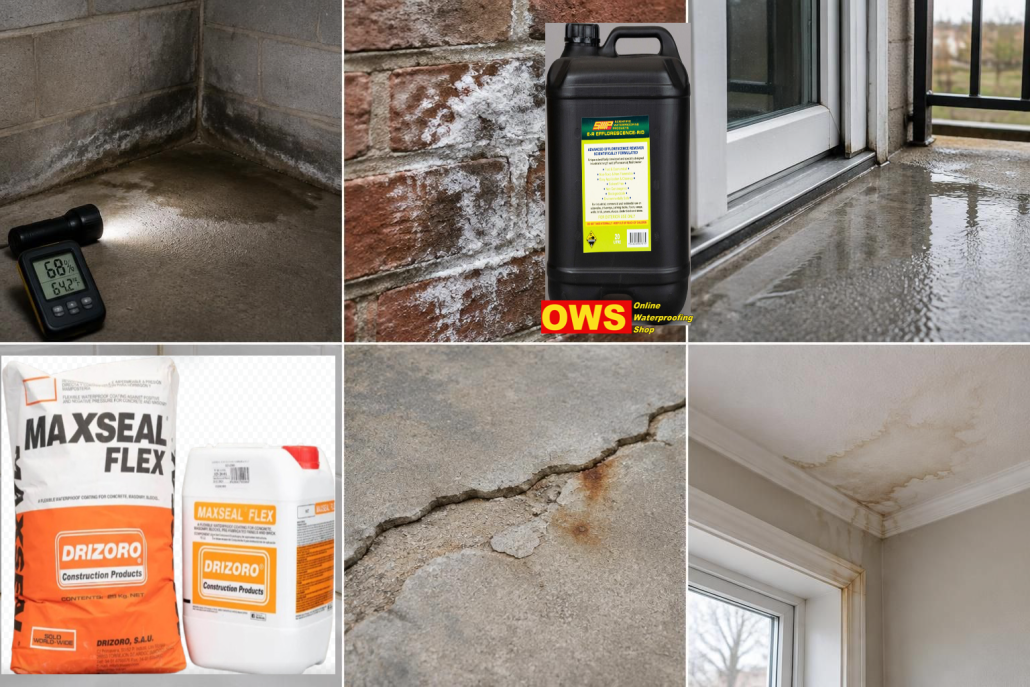
Musty odours, peeling paint, mould patches, and damp floors can indicate poor ventilation, condensation, plumbing leaks, or water entering through foundations.
What it means: Persistent moisture can damage stored belongings, affect building materials, and encourage mould growth.
How it’s fixed: Minor humidity problems may improve with ventilation and dehumidifiers. Redirecting downpipes can also reduce water collecting near foundations. Persistent seepage may require professional drainage improvements, crack repairs, or basement waterproofing.
A waterproof coating can help in suitable circumstances, but it won’t solve an unidentified water source.
2. White Powder on Brickwork Isn’t Always Harmless
Have you noticed chalky white marks across brick or concrete walls?
That’s often efflorescence: mineral salts left behind when moisture moves through masonry and evaporates.
You might also see rising damp, where moisture travels upwards through porous building materials, leaving discolouration or deteriorating plaster near floor level.
What it means: The masonry has experienced moisture movement, although white deposits alone don’t establish how serious the problem is.
How it’s fixed: Once the cause is addressed, surface deposits can often be brushed away. Suitable breathable treatments or waterproofing products may help protect certain surfaces. Persistent rising damp could require drainage improvements or repairs to a defective damp-proof course.
Avoid sealing wet masonry without professional advice, as trapped moisture can worsen deterioration.
3. Bathrooms and Balconies: Small Leaks, Bigger Bills
A loose shower tile might seem trivial. Unfortunately, water can travel beneath tiled surfaces and damage areas you cannot see.
Inspectors may notice swollen skirting boards, cracked grout, loose tiles, persistent dampness, or staining beneath balconies.
Leaking shower recesses often involve failed seals, plumbing defects, or damaged waterproofing membranes. Balconies can develop similar problems around joints, drainage outlets, and exposed surfaces.
What it means: Hidden water penetration may damage flooring, wall linings, framing, or adjoining rooms.
How it’s fixed: Replacing failed surface sealant can be a simple DIY job when the underlying waterproofing remains intact. However, a compromised membrane generally requires professional investigation and potentially removal of tiles, replacement waterproofing, and retiling.
Don’t assume fresh grout will repair a failed waterproofing system.
4. Cracked or Spalling Concrete Needs a Closer Look
Not all concrete cracks are structural, but some deserve serious attention.
Spalling occurs when concrete flakes, chips, or breaks away. You may notice exposed steel reinforcement, rusty staining, or crumbling edges around balconies, steps, and foundations.
Moisture entering concrete can contribute to reinforcement corrosion, which expands and causes surrounding material to crack.
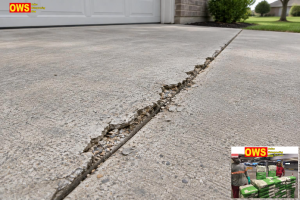
Cold Joint Typical Failure
How Serious Could the Repair Be?
|
Visible problem |
Possible remedy |
Who should assess it? |
|
Small, stable surface crack |
Suitable crack filler or repair product |
Inspector; DIY only if confirmed non-structural |
|
Localised surface deterioration |
Concrete repair mortar and protective coating |
Qualified repair contractor |
|
Exposed, corroding reinforcement |
Remove damaged concrete, treat reinforcement, rebuild affected area |
Concrete repair specialist or engineer |
|
Wide or progressive cracking |
Structural investigation and specified repairs |
Structural engineer |
The key is distinguishing cosmetic deterioration from a problem affecting structural safety before committing to the purchase.
5. Ceiling and Window Stains May Reveal Hidden Leaks
Brown rings on ceilings, bubbling paint, and discoloured window frames are familiar warning signs.
The cause might be damaged roof flashing, blocked gutters, leaking pipes, condensation, or poorly sealed window openings.
What it means: Water may have reached insulation, plasterboard, timber, or other concealed materials.
How it’s fixed: Minor gaps in appropriate exterior joints may be resealed once diagnosed. Roof leaks, plumbing failures, and damaged window flashing generally need qualified tradespeople.
A repainted ceiling isn’t evidence that the underlying leak has been repaired.
Turn Your Inspection Findings Into a Repair Plan
Once you’ve received your building inspection report, work through this checklist before making a final decision:
-
Identify every reported moisture problem and its location.
-
Ask whether the issue is active, historical, or uncertain.
-
Request further investigation where the cause remains unclear.
-
Obtain written repair estimates from suitable specialists.
-
Discuss repair costs and contract options with your agent or solicitor.
-
Allow room in your budget for concealed damage discovered during repairs.
This approach transforms vague concerns into practical decisions.
Keep the Important Report Pages Handy
Building inspection reports can run to dozens of pages, making it surprisingly easy to lose track of important findings. Rather than forwarding the entire document repeatedly, collect the pages describing leaks, dampness, and concrete deterioration into a smaller PDF.
Adobe Acrobat’s online page extraction tool lets you select relevant pages and create a separate document; see what it can do. Share that focused file with a waterproofing contractor for a quotation or with your agent or solicitor during negotiations. Keep the complete original report available for context.
Questions First-Time Buyers Often Ask
Should I walk away from a house with water damage?
Not necessarily. Consider the cause, extent, repair cost, and whether the seller will negotiate. Serious structural or recurring moisture problems deserve particular caution.
Can waterproof paint fix a damp wall?
Sometimes coatings help protect a properly prepared surface. They won’t reliably stop leaks, rising moisture, or drainage problems unless the underlying cause is addressed.
Can I negotiate after discovering water damage?
Often, yes. Documented defects and written repair estimates can support a request for repairs, a price reduction, or other contract terms, subject to your agreement and local rules.
A Trusted Guide for Understanding Moisture
For additional advice, the US Environmental Protection Agency offers a free Guide to Mold, Moisture and Your Home. It explains moisture prevention, mould cleanup, and why repairing the water source matters more than hiding visible damage.
It’s a useful reference when deciding which maintenance tasks are manageable and when professional help is appropriate.
Know 5 Water Damage Red Flags Every Home Buyer Should Check Before Purchasing Buy with Confidence Not Guesswork
Water damage warning signs deserve investigation, not immediate panic. A thorough inspection and realistic repair quotes can help separate manageable maintenance from costly defects. By identifying problems before purchasing, you’ll be better placed to negotiate the price and plan future expenses. The best property decision is an informed one.


