
How to Permanently Waterproof a Leaking Concrete Cold Joint
How to Permanently Waterproof a Leaking Concrete Cold Joint
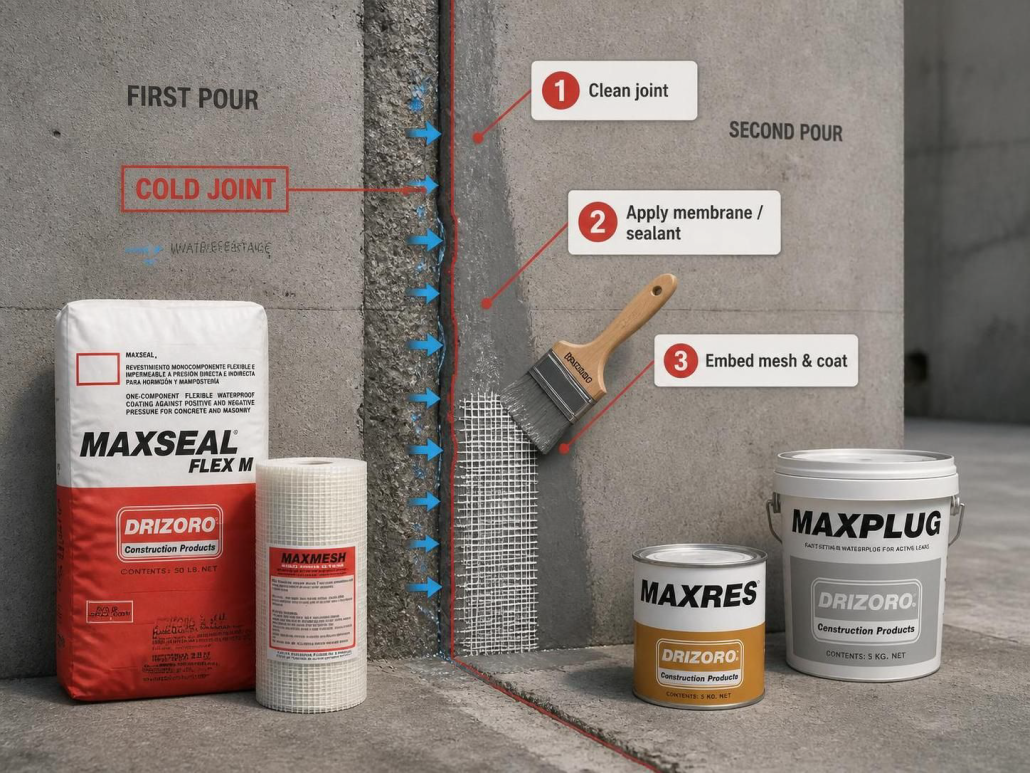
Concrete cold joints are one of the most common causes of water leaks in basements, retaining walls, and concrete slabs. A cold joint forms when one section of concrete hardens before the next section is poured, creating a natural seam that can become a pathway for water over time. For homeowners, understanding why these joints leak—and how to repair them properly—can prevent recurring moisture problems, structural damage, and expensive repairs.
Simply covering the surface rarely solves the issue. The key is using a repair system that seals the joint against water pressure while remaining durable enough to handle normal movement within the concrete.
At a Glance
-
Cold joints are planned construction joints that often become water entry points.
-
Surface patches may hide leaks temporarily but usually don’t stop water under pressure.
-
Long-term repairs use structural waterproofing systems designed for active water ingress.
-
Addressing hydrostatic pressure is just as important as sealing the joint itself.
-
Professional-grade materials are available for homeowners willing to follow installation instructions carefully.
Why Cold Joints Leak
Concrete is durable, but it is not completely waterproof. A cold joint creates a narrow separation between two pours that is naturally weaker than solid, monolithic concrete. Over time, several factors can allow water to find its way through:
-
Groundwater pressing against basement or retaining wall surfaces
-
Minor structural movement
-
Shrinkage during curing
-
Poor original waterproofing or aging materials
Hydrostatic pressure—the force created by water in the surrounding soil—is often the biggest challenge. Even a tiny gap can allow water to enter when pressure builds after heavy rain.
Surface Repairs vs. Structural Waterproofing
|
Surface Patching |
Structural Waterproofing |
|
Covers visible damage |
Seals the source of water ingress |
|
Often cosmetic |
Designed to resist water pressure |
|
Can crack or separate over time |
Accommodates minor movement |
|
Best for appearance |
Best for long-term leak prevention |
|
Usually temporary |
Intended as a permanent repair when correctly installed |
Many homeowners reach for standard masonry fillers or waterproof paints because they’re readily available. While these products have their place, they generally cannot withstand continuous hydrostatic pressure if the water source remains active.
Structural waterproofing systems are specifically engineered to bond with concrete and create a durable barrier that remains effective even under ongoing moisture exposure.
A Practical Approach to DIY Cold Joint Repairs
Many basement cold joints can be repaired successfully by experienced DIY homeowners if the correct repair system is used.
Step-by-step checklist
-
Locate the full extent of the leak, not just the visible damp area.
-
Remove loose material and clean the joint thoroughly.
-
Identify active water flow before selecting repair materials.
-
Choose a waterproofing system designed for cold joints, not a general-purpose filler.
-
Follow the manufacturer’s preparation and installation instructions carefully.
-
Allow recommended curing times before exposing the repair to moisture where applicable.
-
Inspect surrounding cracks or joints that could also allow water entry.
Skipping preparation or substituting incompatible products often leads to repeat failures.
Choosing Materials That Last
Not all waterproofing products are intended for the same purpose. Consider whether the repair system is designed to address:
-
Active water leaks
-
Hydrostatic pressure
-
Crack movement
-
Long-term durability
-
Below-ground applications
-
Compatibility with concrete
A quality waterproofing system focuses on stopping water at its source rather than simply masking visible symptoms.
Professional Waterproofing Products for Serious Repairs
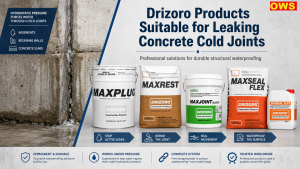
Online Waterproofing Shop supplies specialized concrete waterproofing systems developed specifically for problems such as leaking cold joints, concrete cracks, and water ingress under hydrostatic pressure. Their range includes professional-grade materials suitable for both experienced DIY homeowners and contractors seeking durable, long-term waterproofing performance. Detailed product information, technical guidance, and repair-specific solutions make it easier to select systems designed for the actual cause of a leak rather than relying on temporary sealants that may require repeated repairs.
Keep Repair Records Organized
Maintaining clear records of your waterproofing project can be surprisingly valuable. Save product specifications, installation instructions, warranty information, receipts, and photographs taken before, during, and after the repair. These records can help if you ever need technical support, consult a waterproofing professional, or provide documentation when selling your home. If your files become difficult to manage, you can use Adobe’s online tool to compress a PDF file without significantly reducing document quality, making storage and sharing much easier.
An free alternative would be ProPDF to compress your files.
Learn More About Basement Moisture
Homeowners looking for additional guidance on preventing moisture problems can explore the U.S. Environmental Protection Agency’s information on moisture control and mold prevention:
This resource explains why controlling water intrusion early is one of the best ways to protect indoor air quality and avoid more extensive damage.
Frequently Asked Questions
Can I stop a cold joint leak with waterproof paint?
Waterproof coatings may reduce surface moisture, but they typically do not stop water entering through an active cold joint under hydrostatic pressure.
Do all cold joints eventually leak?
No. Proper design, quality construction, and effective waterproofing can prevent problems for many years. However, cold joints remain one of the more common locations where leaks develop.
Is hydrostatic pressure always present?
Not necessarily. It usually becomes significant after periods of heavy rainfall, high groundwater levels, or poor site drainage.
Should I repair small leaks immediately?
Yes. Small leaks can worsen over time, increasing moisture damage and making future repairs more complicated.
Finally you Know How to Permanently Waterproof a Leaking Concrete Cold Joint
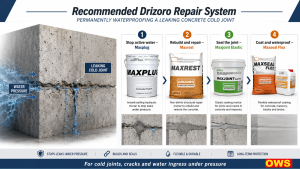
Cold joints are a normal part of concrete construction, but they can become persistent leak paths if water pressure finds a way through them. Lasting repairs depend on addressing the source of water intrusion with systems designed for structural waterproofing rather than relying on cosmetic surface fixes. Choosing the right materials and following proven installation methods gives homeowners the best chance of achieving a durable, long-term solution.
You have been searching for How to Permanently Waterproof a Leaking Concrete Cold Joint then watch this video to learn everything you need to know about How to Permanently Waterproof and repair Leaking Concrete cold joints


