Leaking Lift Pits – Solved with Drizoro Construction Products
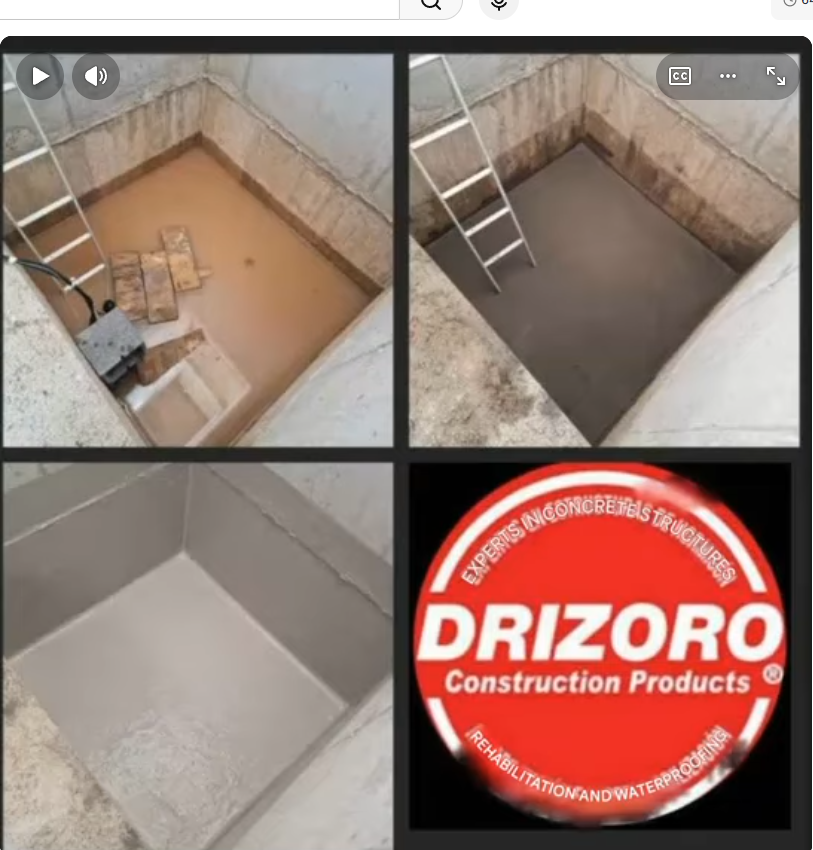
Leaking Lift Pits – Solved with Drizoro Construction Products
How to Identify Leaking Lift Pits and Prevent and Repair
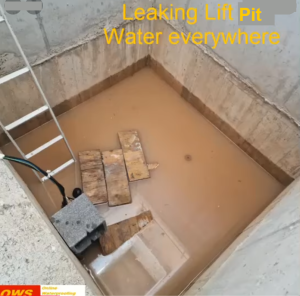
Leaking lift pits are a frequent but underestimated problem in buildings of every type. Hidden below ground level, lift pits are vulnerable to groundwater pressure, failed waterproofing, and structural movement. Left unaddressed, leaking liftpits cause electrical damage, corrosion, operational failure, and costly downtime — and they can shorten the usable life of the lift and surrounding structure.
Why leaking lift pits are high risk
- Groundwater ingress: Hydrostatic pressure can force water through cracks, joints, and damaged concrete.
- Corrosion of reinforcement and services: Moisture accelerates rust in embedded steel and corrodes electrical components.
- Failed or aged waterproofing: Membranes and coatings degrade over time or are improperly installed.
- Structural distress: Cracking, spalling and movement allow more water to penetrate, worsening deterioration.
- Operational and compliance impacts: Water in the pit can disable safety systems, breach regulations, and lead to service interruptions.
5 Early warning signs to watch for
- Efflorescence or white mineral deposits on concrete walls or floors
- Damp patches or persistent musty odors
- Rust staining around fixings, rails or embedded items
- Concrete spalling, flaking or exposed reinforcement
- Standing water or recurring pooling after rain
Any of these signs can indicate active leakage or a failing waterproofing system — and they warrant prompt investigation. Regular inspections of lift pits are essential for asset managers, facilities teams, building owners and contractors who want to avoid surprise repairs and safety issues.
Practical inspection checklist
- Visual check for efflorescence, rust, stains and spalling.
- Look for damp or active seepage after rainfall or seasonal groundwater rise.
- Inspect seals and joints around pit walls, rails, and service penetrations.
- Check electrical components for corrosion, moisture or damage.
- Document findings, photograph issues and schedule a remedial plan if problems exist.
Repair and remediation approaches
- Repair strategy depends on cause and severity. Typical solutions include:
- Reinstating or upgrading drainage and sump pumps to control groundwater.
- Installing or repairing waterproofing membranes or cementitious coatings specifically designed for submerged or high-humidity environments.
- Crack injection using epoxy or polyurethane to stop active leaks and restore structural integrity.
- Local concrete repairs and corrosion protection for reinforcement, including cathodic protection where necessary.
- Replacing or upgrading pit floor drainage and outlets to prevent pooling and facilitate maintenance.
Selecting materials rated for submerged conditions and products designed for lift pit environments reduces the risk of repeat failures. For example, Drizoro cementitious systems and specially formulated sealants can provide long-term resistance to hydrostatic pressure and chemical attack often encountered in pits.
Maintenance best practices
- Schedule routine lift pit inspections at least annually, and after any event (heavy rain, nearby excavations) that could affect groundwater.
- Keep a maintenance log with inspection dates, findings and actions taken.
- Test sump pumps and drainage annually; replace or service components on a planned schedule.
- Address small cracks and signs of moisture promptly — early intervention is far less expensive than major reconstruction.
- Train on-site staff to recognise early signs of leaking liftpits and to report immediately.
Cost and lifecycle considerations
Ignoring leaking lift pits creates escalating costs: small leaks lead to corrosion and electrical failures that require expensive component replacements, major structural repair, or full pit rebuilds. Spending on preventative inspection, quality waterproofing and timely repairs extends asset life, reduces downtime and improves occupant safety.
Leaking lift pits are more than a nuisance — they can quickly undermine lift performance, safety and compliance. Regular inspections, early repair of minor defects, and the use of robust, purpose-designed waterproofing and repair systems are the most effective ways to protect your asset. If you manage commercial, residential or industrial properties, ask when your lift pit was last inspected and whether any of the early warning signs listed above were present. Immediate investigation and action on leaking liftpits will save money and reduce operational risk over the long term.
When managing commercial, residential, or industrial assets, it’s worth asking:
When was your lift pit last inspected?
Was it showing sign of leakage?
Lift speak – Explained!
Info on terminology a lift pit is here
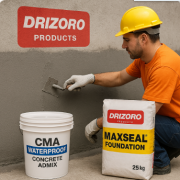
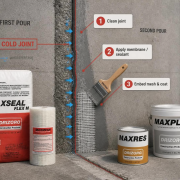
Drizoro System to seal a lift pit would include
Drizoro Waterproof Membranes required for the repairs
Maxseal Foundation | Maxseal Flex | Maxmesh | Maxjoint Elastic Express
Repair Mortars:
Maxrest | Maxrite 700 | Maxplug