How to Plan Your Home Maintenance Budget and Avoid Surprise Repairs
Longevity Home Maintenance Avoids Surprise Repairs
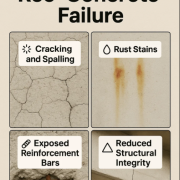
How to Plan Your Home Maintenance Budget and Avoid Surprise Repairs. For first-time homebuyers, the purchase price is only the entry fee, and the real challenge starts when the house begins asking for attention. Without home maintenance budgeting, unexpected home repair costs show up fast, water infiltration that turns into interior damage, expansion joint failure that leads to cracked slabs, corrosion that spreads quietly, and surface wear that makes small fixes expensive. These aren’t rare surprises; they’re normal parts of ownership that feel shocking when they weren’t planned for. Solid home maintenance planning keeps ongoing home ownership expenses predictable.
Quick Summary: Home Maintenance Budget Basics
• Estimate annual maintenance expenses by reviewing past repairs and upcoming needs across key home systems.
• Set a home maintenance budget with a dedicated line item so routine work stays funded.
• Prioritize spending on critical system upkeep to prevent small issues from turning into major repairs.
• Keep a buffer in your budget to cover surprise repairs without derailing planned maintenance.
Understanding the Maintenance Timing Framework
A simple maintenance budget starts with knowing what needs attention, and when.
Think in three big buckets:
- the roof and exterior that keep water out,
- the HVAC system that keeps comfort predictable, and
- plumbing that prevents hidden leaks.
At its core, home maintenance is routine upkeep and repair work that keeps a house working and protects its value.
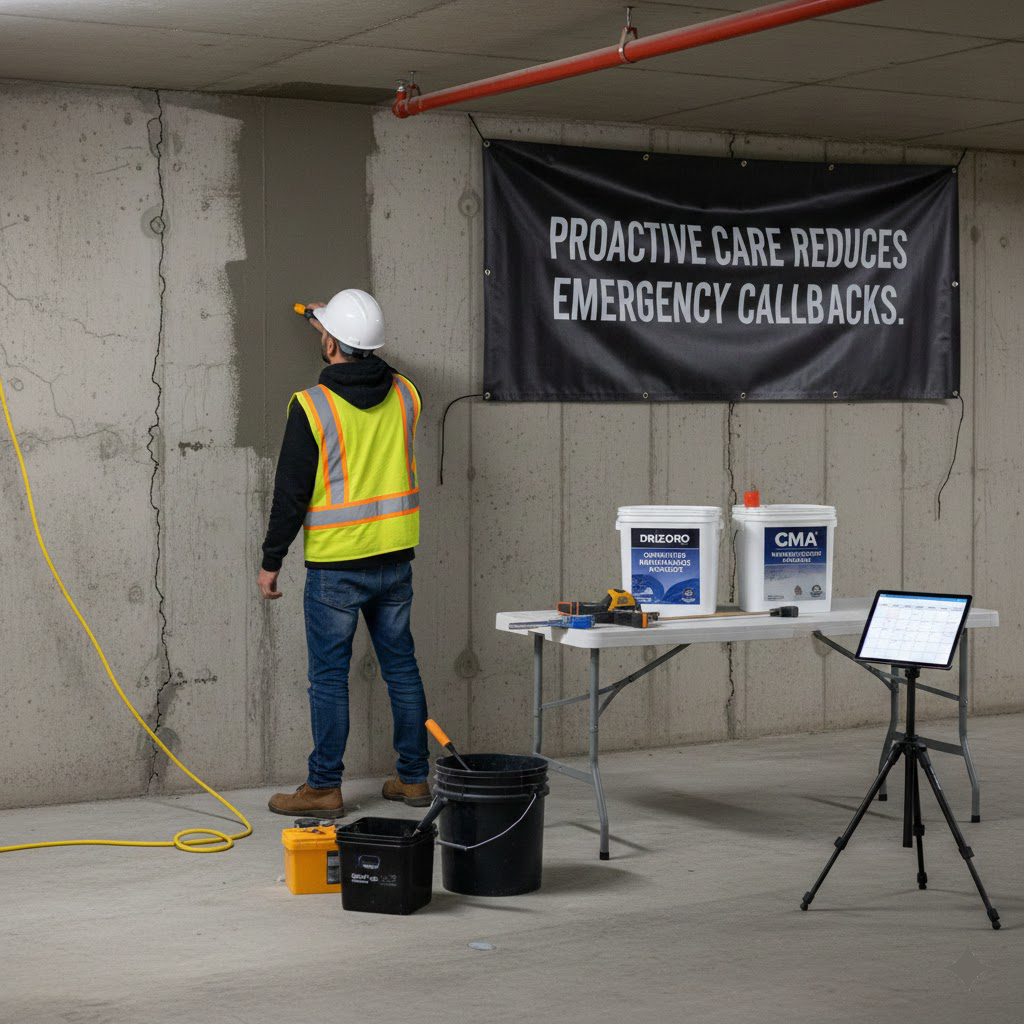
This matters because most costly surprises begin as small misses, like a slow drip or a minor flashing failure. For crews who install waterproofing and concrete repair products, proactive care reduces emergency callbacks and makes planned work easier to schedule.
Picture a homeowner who skips checkups for years, then calls after a ceiling stain appears. A quick annual visit to service the HVAC system and a seasonal roof and plumbing scan would have caught issues before materials and labor doubled. With the timing mapped out, a checklist-based budget becomes straightforward to build and track.
Build a Maintenance Budget From a Checklist
This is where the checklist turns into real numbers. The steps below help you plan annual upkeep, price out likely repairs, and track spending in a way that supports cleaner scopes, fewer emergency calls, and smarter use of waterproofing and concrete repair materials.
1. Step 1: Turn your annual checklist into a 12-month calendar
Start with your full-home checklist, then assign each task to a month or season so nothing piles up at once. Add recurring items that protect the big systems, such as replace air filters, and include exterior checks that catch water entry before it reaches framing or slabs. This gives you a predictable workload you can budget and schedule around.
2. Step 2: Label each task as DIY, service call, or repair project
Next to every line item, mark who can do it and what kind of visit it requires: a quick homeowner task, a planned service appointment, or a scope of work for a crew. This keeps small maintenance from being priced like a repair, and it helps you separate “materials on hand” jobs from “get a quote” jobs. For waterproofing and concrete repair work, this step prevents underbidding time spent on prep, cure windows, and return trips.
3. Step 3: Estimate costs using last invoices, quick quotes, and a range
For each service call or project, pull the last invoice if you have one, then sanity-check it with one phone quote or an online estimate from a supplier or contractor. Record a low and high number instead of a single guess so you can see your risk, especially on water-related items where damage can spread. This matters because hidden maintenance costs often come in higher than expected, and your budget should be built to absorb that.
4. Step 4: Set two funds: planned maintenance and a repair buffer
Add up your planned items and divide by 12 to create a monthly maintenance amount. Then add a separate buffer for surprise repairs so you do not drain the planned fund the first time a leak shows up. Keeping these two buckets makes it easier to approve preventive waterproofing or crack repair early, before a small issue turns into a full replacement.
5. Step 5: Track spending in one simple log and review quarterly
Use a notes app, spreadsheet, or job-style ledger with four columns: date, location in the home, what was done, and total cost. Save photos and receipts so future pricing and product selection get faster and more accurate. Every three months, compare actual spend to your ranges and adjust the next quarter’s plan.
Budgeting Q&A for Fewer Surprise Repairs
Q: How can I accurately estimate the annual costs for maintaining critical home systems like roofing, HVAC, and plumbing?
A: Start with your home age and last service dates, then list each system’s predictable service intervals and likely replacements. Pull your last invoices, request one current quote per trade, and record a low to high range so pricing swings do not break the plan. If you receive PDFs from inspections or bids, copy the totals into an editable spreadsheet (a pdf to excel converter can help) so you can sort by system, year, and priority.
Q: What are practical strategies for setting a realistic budget to cover unexpected home repairs?
A: Create a dedicated repair buffer that is separate from planned upkeep, then fund it monthly like any other bill. A useful rule is to target a buffer that can cover at least one mid-sized failure without using credit, since over one-third said $0 to $500 was the most they could afford for an unexpected repair. Keep a simple log of date, location, scope, and cost so the buffer size is based on your real history.
Q: Which regular maintenance tasks can help prevent costly damage related to water infiltration and concrete deterioration?
A: Walk the exterior after heavy rain and look for pooling at the foundation, downspouts dumping near the slab, and new hairline cracking. Clean gutters, extend discharge away from the building, and seal small openings early before moisture reaches framing, rebar, or subgrade. Track findings with photos in your expense log so recurring trouble spots get budgeted before they turn into a demo.
Q: How should I prioritize repairs and maintenance when managing limited resources or time?
A: Triage by consequence: anything that can spread water, compromise structure, or create safety risks goes first. Next, handle items that reduce future wear, like airflow and drainage, because they protect multiple systems at once. If time is tight, schedule one high-impact task per month and defer cosmetic work.
Q: How can specialized waterproofing and concrete repair products support homebuyers in reducing long-term maintenance expenses?
A: The right materials help you move from repeated patching to durable corrections that stop moisture paths and stabilize cracking. That can lower call-backs, reduce secondary damage, and make your cost history more predictable year over year. Store product data, batch numbers, and labor notes in the same spreadsheet as invoices so future scopes are faster and cleaner.
Turn Homeowner Financial Planning Into Predictable, Preventive Maintenance
Surprise failures are easy to postpone until they’re urgent, expensive, and disruptive to the schedule. The mindset that wins is simple homeowner financial planning built around proactive maintenance, so repairs get anticipated instead of chased. When the budget and tracking are consistent, sustainable home upkeep becomes routine, the benefits of proactive maintenance show up in fewer callbacks, and avoiding costly home repairs stops being luck. Fund maintenance before it breaks, and repairs stop dictating your budget. Choose one maintenance habit to start this month and assign a small, recurring line item to it. That steady discipline protects long-term home value preservation and keeps the home performing reliably year after year.
How to Plan Your Home Maintenance Budget and Avoid Surprise Repairs
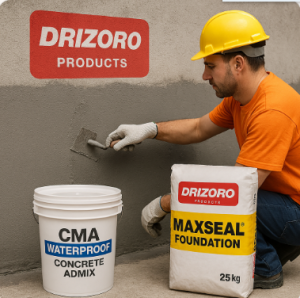
Planning begins with the construction planning and using products such as CMA Concrete Admix Crystalline Waterproofing. CMA Admix – is added directly to the concrete mix and mixed in
Drizoro’s Waterproof Cementitious Membranes that all withstand Hydrostatic Pressure Products such as Drizoro Maxseal Foundation are effective waterproofing